13 Jun
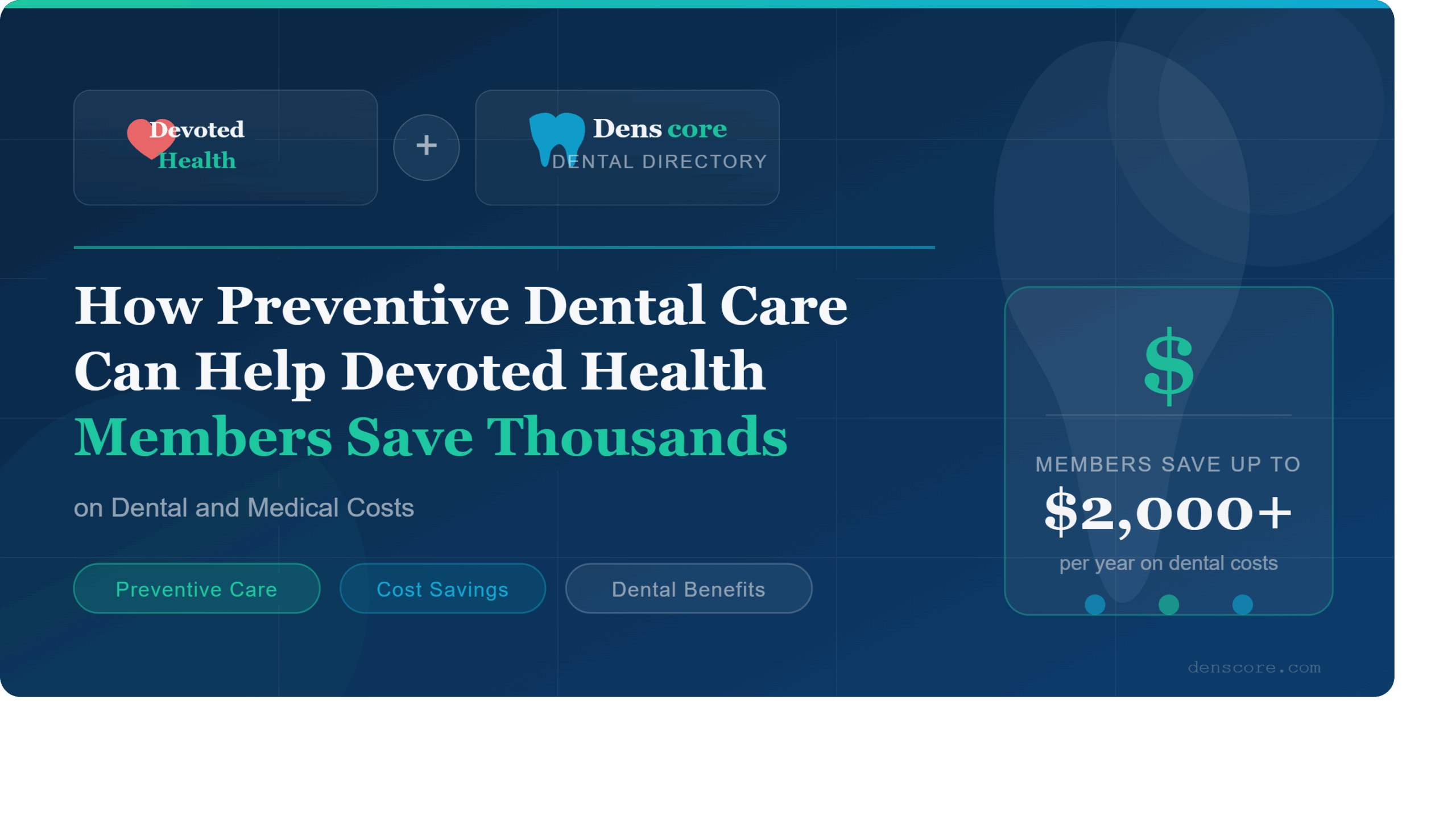
Regular dental cleanings, exams, and X-rays are good for your smile and they’re one of the most cost-effective ways to protect your overall health and keep out-of-pocket costs low. Here’s what the research shows, and what it means for you.
The True Cost of Skipping the Dentist
It’s easy to put off a dental cleaning when you’re feeling fine. But what many people don’t realize is that small, undetected dental problems grow quietly, which can hurt your wallet. A cavity caught at a routine exam costs a fraction of what a root canal costs once that same cavity reaches the nerve. Gum disease identified early can be treated with more frequent cleanings or a deep cleaning, but left untreated, it may require surgical intervention costing thousands of dollars.
Consider the numbers:
The math is clear: Two preventive visits per year are far less expensive than the restorative procedures they help you avoid. For Devoted Health members, whose dental benefits typically cover preventive care at 100%, those twice-yearly cleanings and exams may cost nothing out of pocket, making consistent preventive care one of the smartest financial decisions a member can make.
What Happens at a Preventive Dental Visit and Why It Matters
Many people assume a dental cleaning is just about polishing teeth. In reality, a comprehensive preventive visit includes several layers of care that work together to protect your health.
Professional Cleanings
Even with diligent brushing and flossing at home, plaque hardens into calculus (tartar) in hard-to-reach areas that only a professional hygienist can safely remove. Left in place, this buildup fuels gum inflammation (gingivitis) and, over time, full periodontal disease, which has now been linked to serious health conditions including heart disease and diabetes complications.
Comprehensive Exams
Your dental exam is about far more than checking for cavities. During a thorough exam, your dentist evaluates the health of your gums, your bite alignment, existing restorations, soft tissues, and lymph nodes. They’re looking for early warning signs of conditions that, if caught in time, can be treated conservatively, saving you from more complex, expensive procedures down the road.
Dental X-Rays
Dental X-rays allow your dentist to see what’s happening between teeth, below the gumline, and inside bone. Problems like bone loss, abscesses, impacted teeth, and early-stage decay between teeth are invisible to the naked eye. Catching these issues early keeps treatment options simple and affordable.

Your Dentist Might See Your Health Before Your Doctor Does
One of the most underappreciated benefits of regular dental visits is their role in early detection of serious systemic health conditions. The mouth is a window into the body’s overall health, and dentists are often the first clinicians to spot signs of disease that extend well beyond the teeth and gums.
Diabetes
People with uncontrolled or undiagnosed diabetes are significantly more prone to gum disease, persistent infections, and slow healing after dental procedures. Dentists trained to recognize these oral manifestations may prompt a patient to seek medical testing; sometimes leading to a diabetes diagnosis that wasn’t previously on the patient’s radar. Conversely, patients who know they have diabetes can benefit greatly from more frequent preventive dental visits, because well-managed oral health supports better blood sugar control.
High Blood Pressure
Many dental offices take blood pressure readings before procedures. This brief check has led to patients discovering dangerously elevated blood pressure they were unaware of, a condition known as the “silent killer” because it typically has no symptoms. An early referral to a physician can prevent a stroke or heart attack, outcomes that carry immeasurable medical and human costs.
Oral Cancer
Oral cancer affects tens of thousands of Americans every year, and survival rates are dramatically better when it’s caught early. Dentists perform oral cancer screenings as a standard part of a comprehensive exam and check the lips, tongue, floor of the mouth, cheeks, and throat for suspicious lesions or tissue changes. For patients who use tobacco, drink alcohol regularly, or have had HPV exposure, these screenings are especially critical.
Heart Disease
Research has established a significant association between gum disease and cardiovascular disease. The leading theory is that bacteria from inflamed gum tissue enter the bloodstream and contribute to arterial inflammation, a known driver of heart attack and stroke risk. While the science continues to evolve, the connection is strong enough that cardiologists and dentists increasingly view oral health as a component of heart health. Keeping your gums healthy through regular preventive care may be doing more for your heart than you realize.
Better Oral Health Means Lower Overall Healthcare Costs
The link between oral health and total healthcare spending is well-documented. Multiple large-scale studies have found that individuals who receive regular preventive dental care have meaningfully lower overall medical costs, which includes fewer emergency room visits, fewer hospitalizations, and lower spending on treatment of chronic conditions like diabetes and heart disease.
Here’s why this matters for Devoted Health members in particular:
- Emergency room visits for dental pain are expensive and often preventable. A study published in the Journal of the American Dental Association found that millions of Americans visit emergency rooms for dental conditions each year and these visits cost far more than a preventive dental appointment and rarely result in definitive dental treatment.
- Diabetic members who maintain good oral health have lower overall medical costs. Research consistently shows that diabetic patients who receive regular dental care have better glycemic control, fewer diabetes-related complications, and lower total healthcare expenditures.
- Treating advanced dental disease is costly and may require medical involvement. Severe dental infections can spread to the jaw, neck, and airway, sometimes requiring hospitalization, intravenous antibiotics, or surgery. These outcomes are almost entirely preventable with routine dental care.
- Cardiovascular events are among the most expensive medical events. If maintaining good oral hygiene helps reduce cardiovascular inflammation and risk, the downstream savings in avoided hospitalizations, medications, and interventional procedures can be substantial.
For Devoted Health members, many of whom are managing multiple health conditions while living on fixed incomes, avoiding these downstream costs isn’t just a financial benefit. It’s a quality-of-life issue. Preventive dental care is one of the clearest examples of spending a small amount now to avoid spending a much larger amount later.
Making the Most of Your Devoted Health Dental Benefits
Devoted Health includes dental benefits specifically because the evidence supporting their value is so strong. Here’s how to make sure you’re getting the most from your coverage:
- Schedule your cleanings now and don’t wait until you have pain. Most Devoted Health dental plans cover two preventive cleanings and exams per year. Many members let these benefits go unused, effectively leaving money on the table while allowing small problems to grow.
https://www.denscore.com/find-the-right-dentist-for-you/ - Choose an in-network dentist. If you have a HMO or PPO plan, choose a dentist in Devoted Health’s network to ensure you pay the lowest amount out of pocket and that your preventive services are covered in full.
- Tell your dentist about your full health picture. Share your medical history, current medications, and any chronic conditions. This helps your dental team tailor their care and watch for oral signs that could be relevant to your overall health.
https://www.denscore.com/find-the-right-dental-insurance-for-you/
- Don’t ignore dental pain or changes in your mouth. Sensitivity, bleeding gums, sores that don’t heal, or persistent bad breath are all signals that something needs attention. Getting these evaluated promptly keeps treatment simple.
https://www.denscore.com/get-personalized-dental-advice-and-tips/ - Ask your dentist about your overall health at every visit. Your dentist is a partner in your healthcare team. Ask what they see, what they recommend, and whether anything in your mouth might be worth discussing with your primary care doctor.
Your Smile Is Worth More Than You Think
Preventive dental care is one of the highest-return investments a person can make in their health. For Devoted Health members, the opportunity is even clearer: your plan is designed to support the care that keeps you healthiest at the lowest possible cost, and that starts with showing up for your cleanings and exams.
Every cleaning is a checkpoint. Every exam is an opportunity to catch something small before it becomes something big. And every X-ray is a look beneath the surface at problems that, if left undetected, could cost you in dollars, in health, and in quality of life.
Don’t let your dental benefits go unused this year. Schedule your next visit, bring your Devoted Health member card, and let your dentist be one of your greatest allies in living a healthier, more affordable life.
Ready to schedule your next cleaning? Contact DenScore or log into your Devoted Health member portal to find the best dentist for your needs.